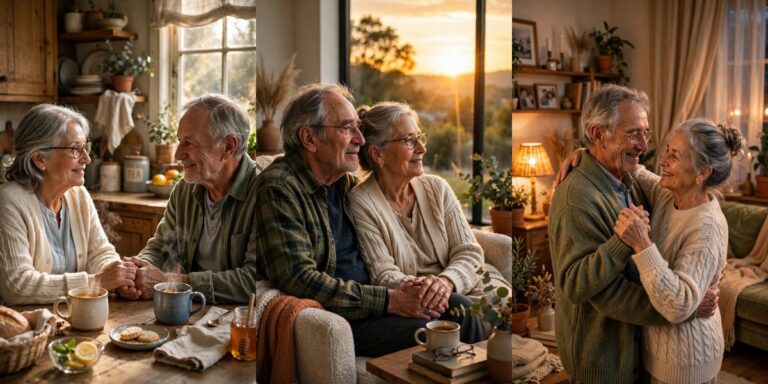
Psychology Says People Who Enjoy Being Alone After 50 Share These 10 Rare Traits
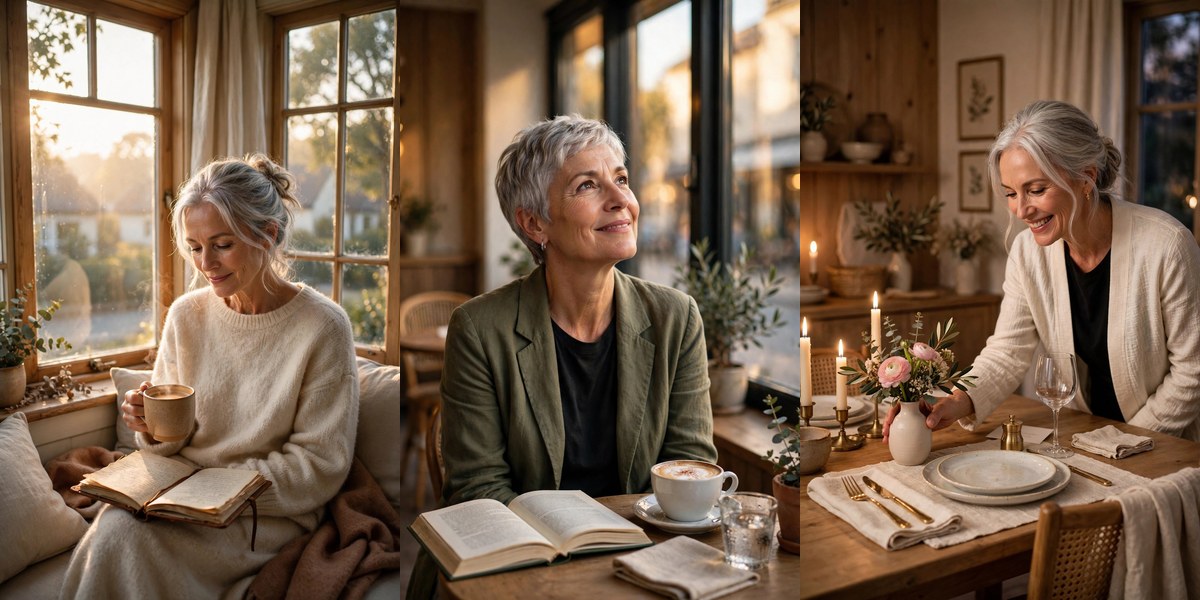
Two friends leave the same dinner party on a Friday night. One rushes home to scroll through her phone, filling every quiet minute with noise. The other slips into her coat, walks home smiling, and lights one candle in a silent house — and feels, for the first time all week, completely herself.
That difference isn’t antisocial. It’s a quiet superpower that tends to bloom after 50: the genuine, unforced enjoyment of your own company. Psychologists call it the capacity for solitude — and women who have it don’t just cope with time alone. They thrive in it.
This isn’t about withdrawing from the world. In fact, women who love solitude often have the deepest friendships of anyone — they’ve simply stopped fearing the quiet. Below are the 10 rare traits they share, how each one shows up in real life, and how you can grow them. (And if the line between healthy solitude and lonely isolation ever feels blurry, our guide to signs someone is truly lonely will help you tell the difference.)
1. 🌅 The Sacred First Hour
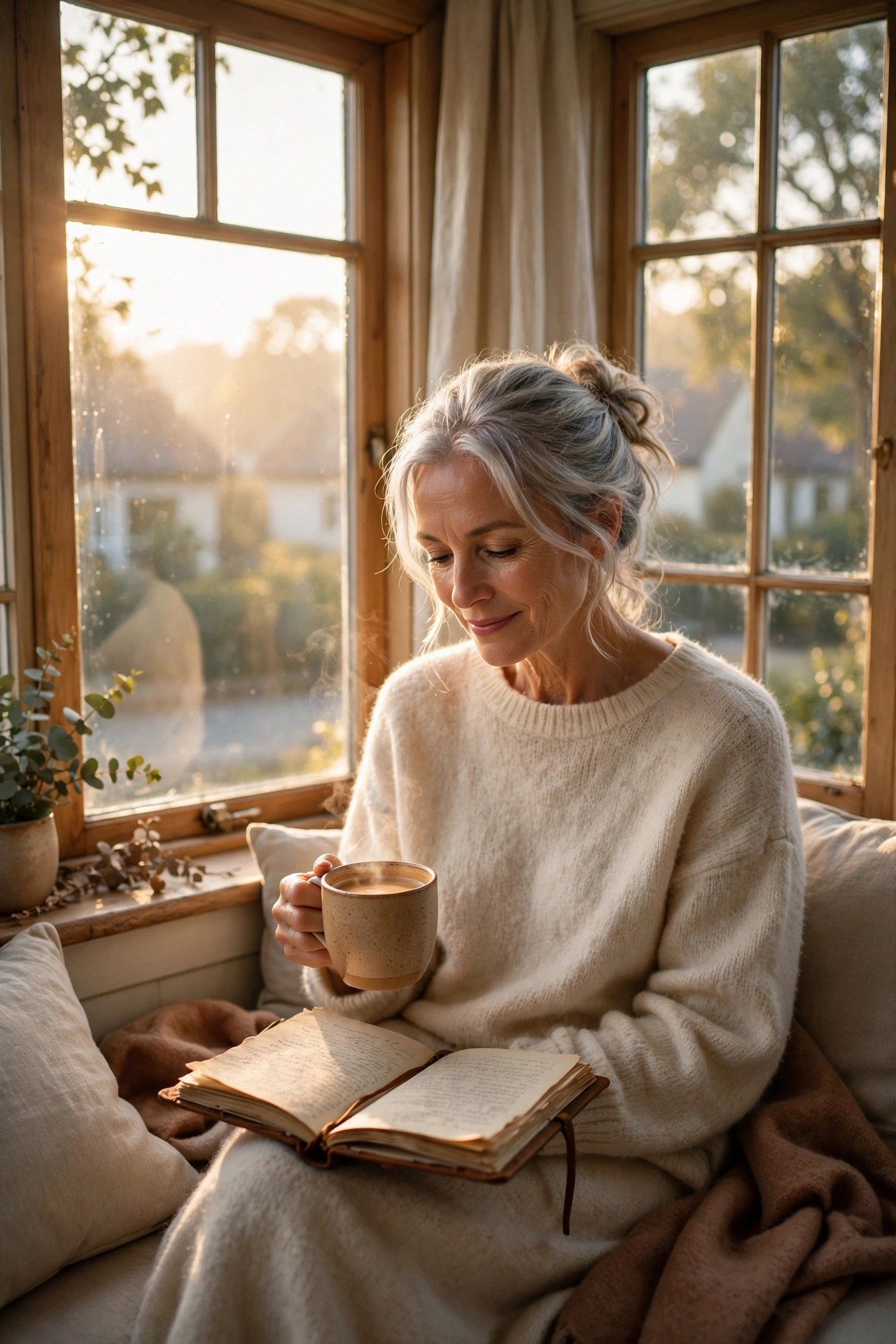
How it shows up: She doesn’t reach for her phone before her slippers. The first hour of the day belongs to her — coffee at the window, a few pages of a journal, ten minutes of doing absolutely nothing. Before the world makes a single demand, she has already filled her own cup.
How to grow it: Protect just one morning this week. No news, no messages, no “quick check.” Notice how the whole day feels different when it starts with silence instead of scrolling. Solitude lovers treat the morning like a ritual, not a race.
☀️ Solitude signal: If your favorite hour of the day is the one nobody knows about, this trait is already waking up in you.
2. ☕ The Fearless Solo Table
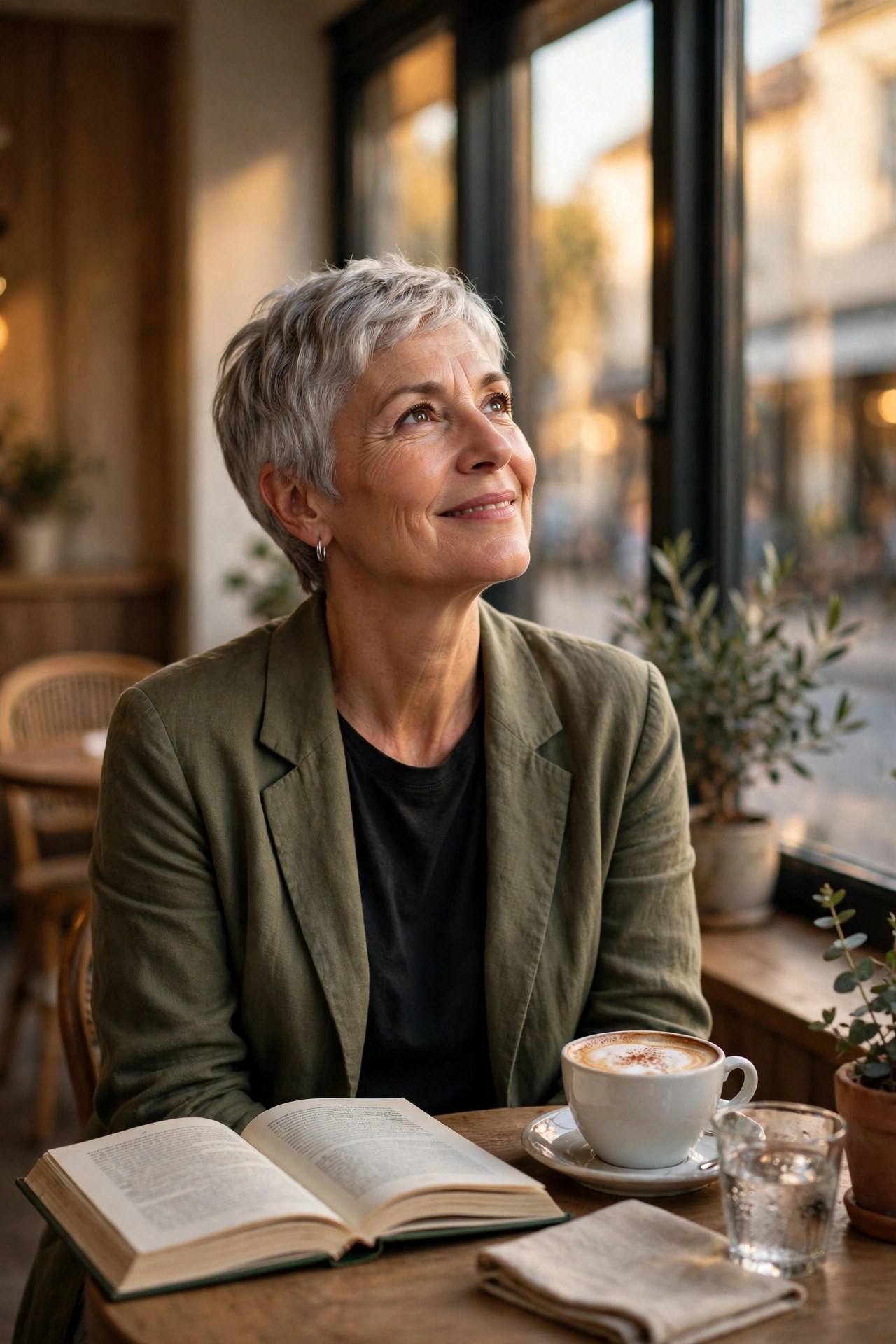
How it shows up: She walks into a café alone, orders without flinching, opens a book — and never once wonders who might be watching. Where other people feel exposed sitting alone, she feels arrived. A table for one isn’t a compromise; it’s a choice.
How to grow it: Start small: one solo coffee, thirty minutes, no phone as a shield. Sit by the window. Watch the street. The first time feels like an act of courage; the fifth time feels like a treat you’ve been denying yourself for years.
🌿 Try this: Take yourself on one tiny solo outing this week — a matinee, a bookstore browse, a park bench. No plus-one required.
3. 🌊 She Leaves the Noise Without Announcing It

How it shows up: At the gathering that has turned into three hours of the same complaints, she doesn’t make a scene — she simply slips away gracefully. No dramatic exit, no apology tour. She has learned that her presence is precious, and she spends it where it actually nourishes her.
How to grow it: Give yourself permission to leave early. A warm smile and “This was lovely — I’m heading out” is a complete sentence. You don’t owe anyone your exhaustion as proof you had fun.
🚪 Boundary script: “Thank you for thinking of me — I’m keeping this weekend quiet.” Short, warm, final. (For more on this, learning to say no after 50 goes deeper.)
4. 🪞 Her Own Mirror Is Enough
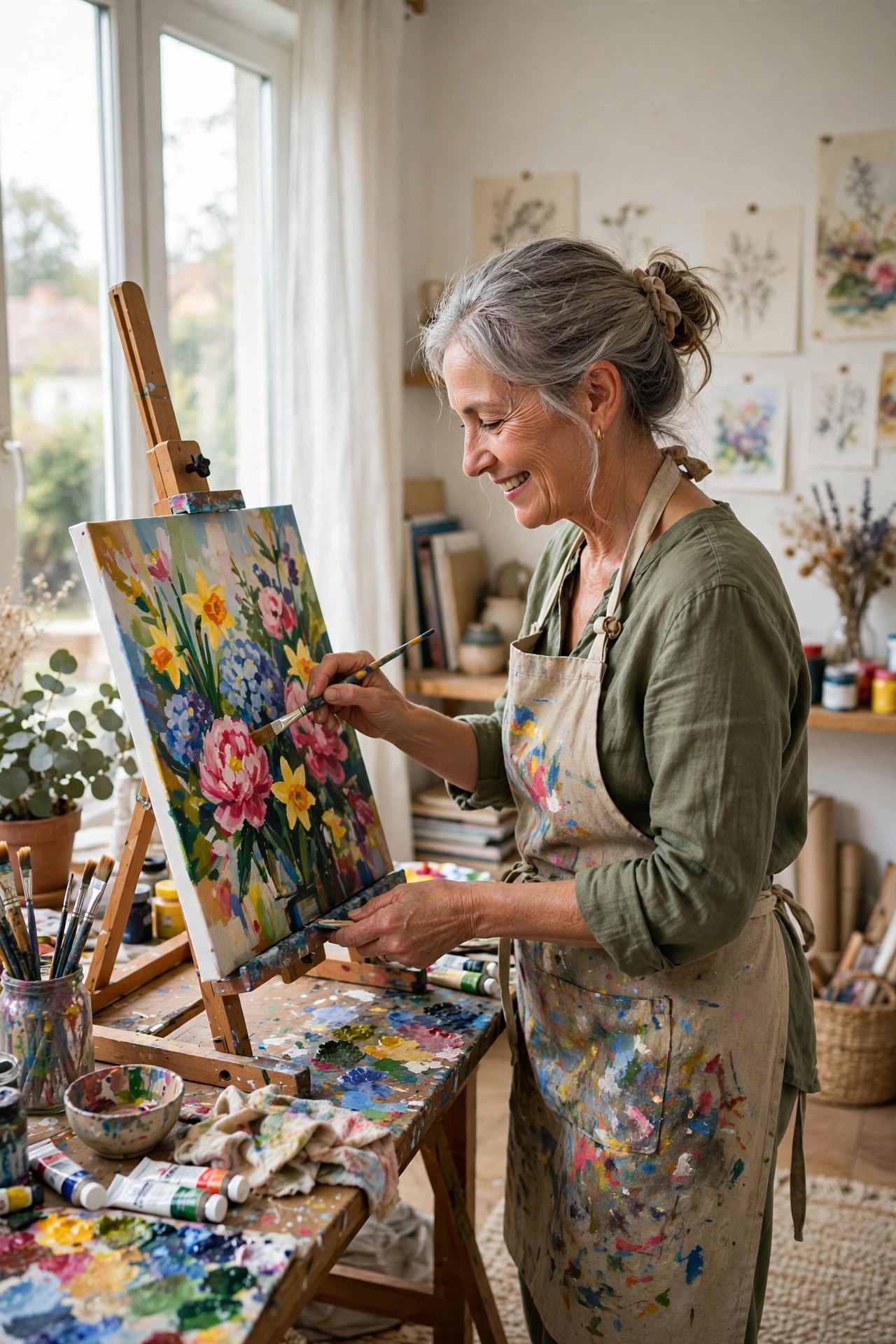
How it shows up: She finishes a painting, rearranges a room, grows tomatoes that win no prizes — and feels genuinely proud, even though no one clapped. External applause is lovely, but it isn’t the fuel anymore. Her own judgment has become the review that matters.
How to grow it: Do one creative thing this month that no one will ever see — a sketchbook, a garden bed, a letter you don’t send. Notice the strange, sturdy satisfaction of making something for an audience of one.
🎨 Myth-buster: This isn’t ego. It’s what happens when decades of seeking approval finally settle into self-trust.
5. 🕯️ The Courage to Sit With the Hard Stuff
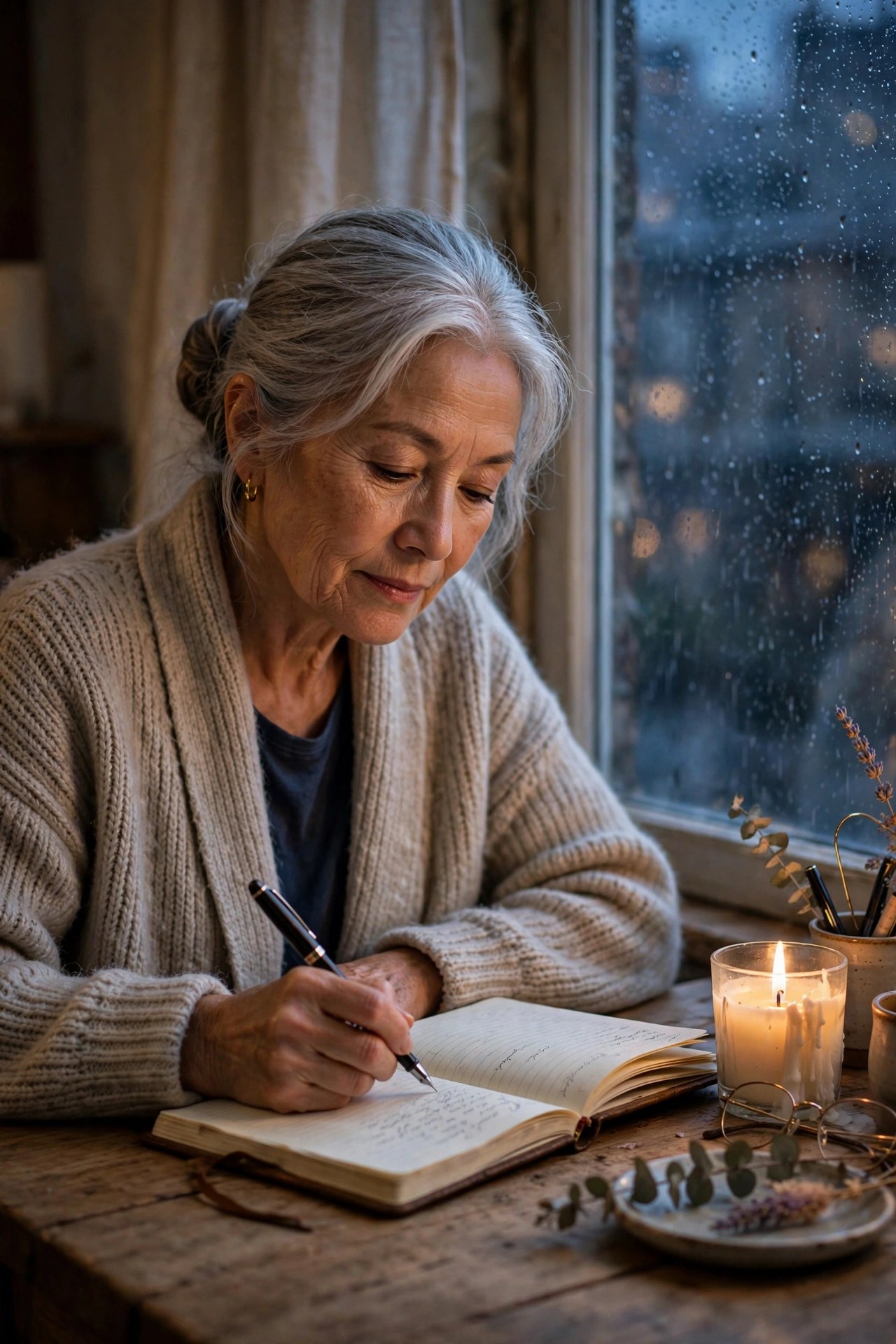
How it shows up: When an old regret surfaces in the quiet, she doesn’t grab the phone or the remote to chase it away. She lets it sit there, writes it down, looks at it straight. Solitude lovers aren’t people without difficult feelings — they’re people who stopped running from them.
How to grow it: The next time silence feels uncomfortable, resist the urge to fill it. Ten honest minutes with a journal can do what ten distracted hours never will. The feeling loses its sharp edges once it’s named.
💛 Gentle rule: Distraction buries discomfort; attention dissolves it. You get to choose which one.
6. 🌻 The Deep Dive
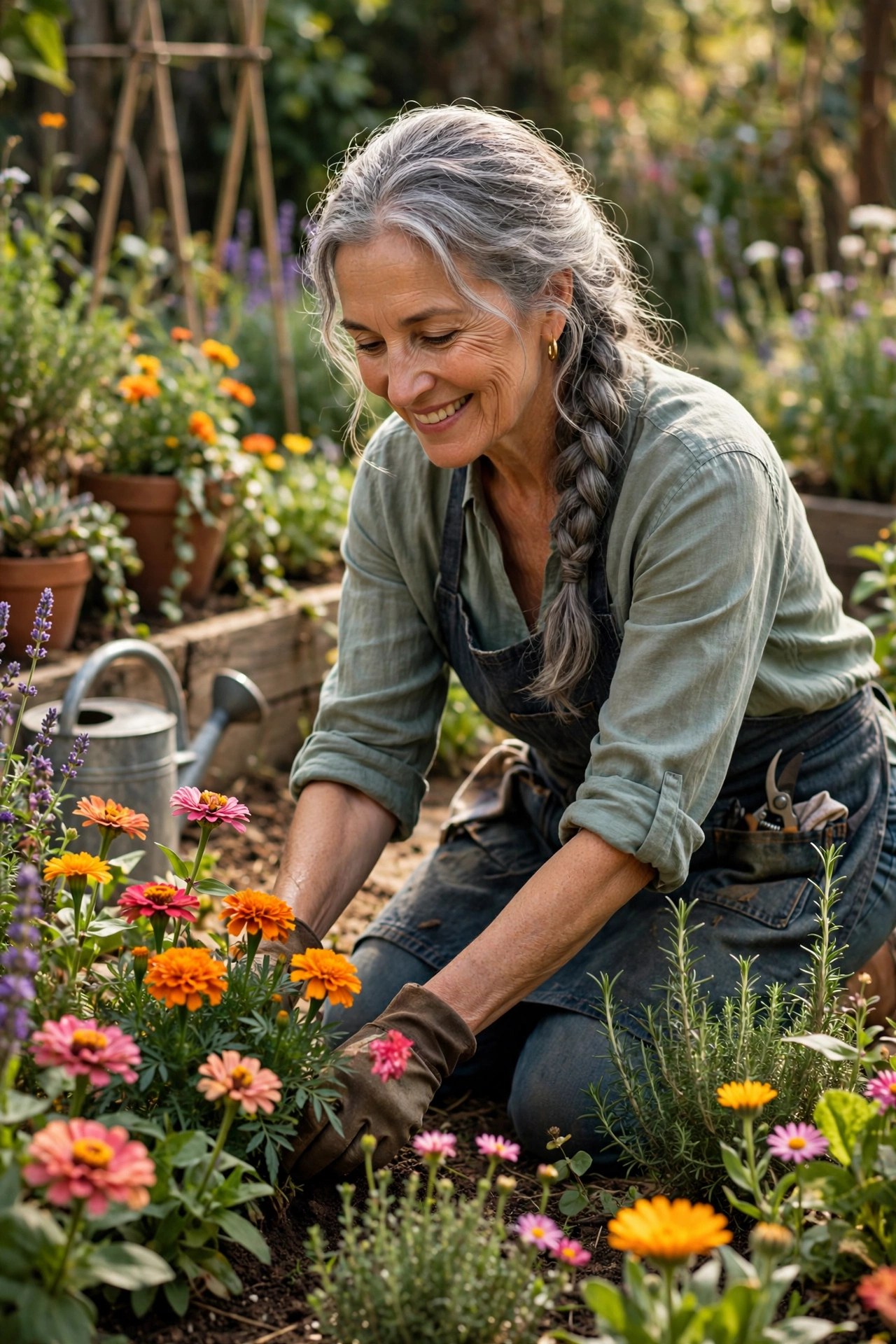
How it shows up: Give her an unscheduled afternoon and she won’t “kill time” — she’ll disappear into it. The garden, the watercolors, the history podcast, the sourdough starter. Solitude lovers have fascinations, not just hobbies, and alone time is when those fascinations get fed.
How to grow it: Follow one curiosity for a full month. Not to monetize it, not to post about it — just because it lights you up. Depth of interest is one of the great quiet joys of this season of life.
🌱 Try this: Make a “fascination list” — three things you’ve always wanted to learn. Pick the one that makes your chest feel lighter.
7. 📖 Rituals That Belong to No One Else
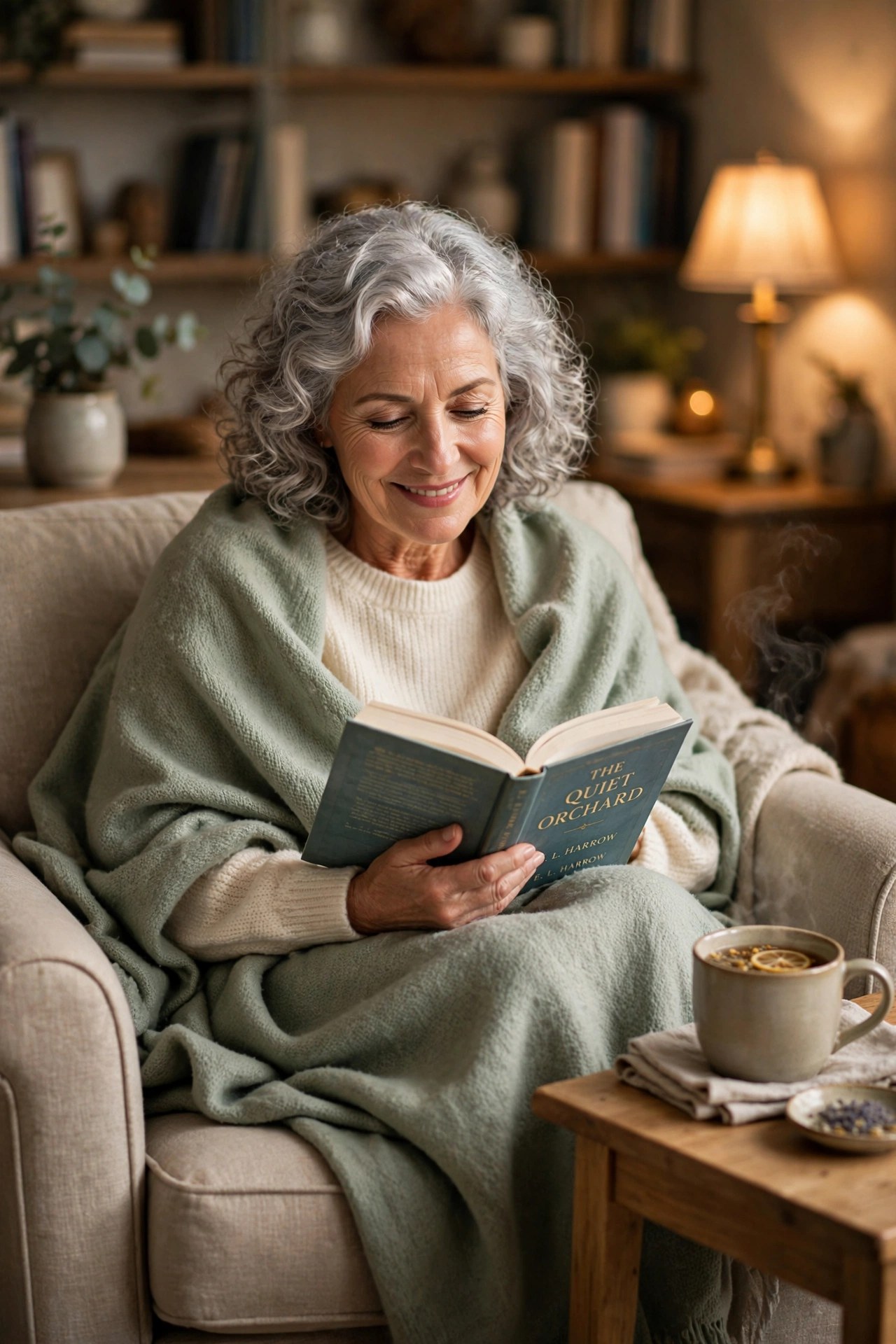
How it shows up: She has rituals nobody voted on and nobody can cancel: the Thursday library run, the evening chapter with tea, the Sunday slow walk. These small, repeated pleasures are the architecture of her peace — a schedule built entirely around what restores her.
How to grow it: Design one weekly ritual that’s yours alone and defend it like a standing appointment. Rituals turn ordinary weeks into something that feels authored rather than endured.
⏰ Solitude signal: She doesn’t need a reason to be unavailable. “That’s my reading hour” is reason enough.
8. 🧭 An Inner Compass That Works in the Dark
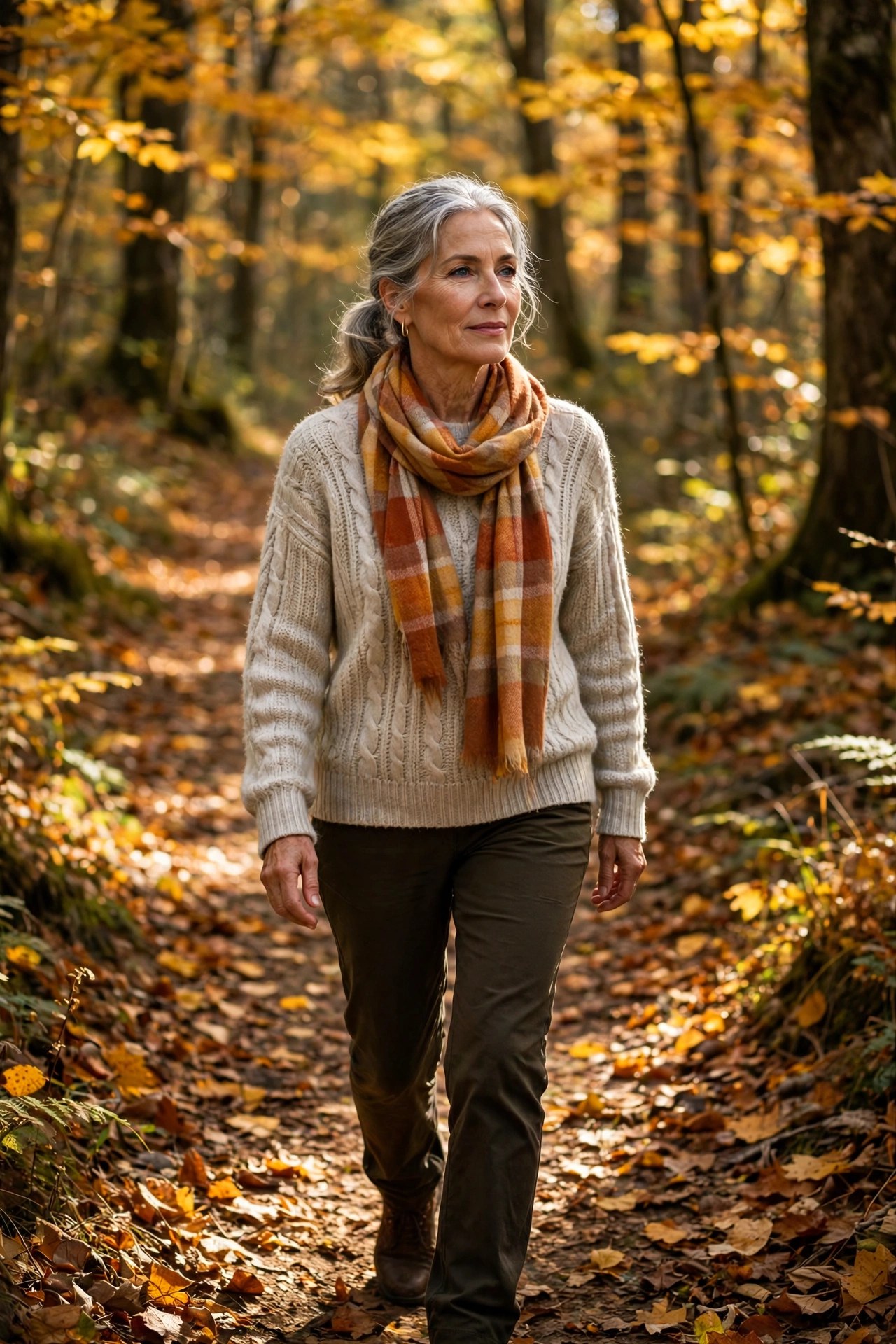
How it shows up: She can make a big decision — the move, the haircut, the “no” — without polling five friends first. She still values counsel, but the final vote is hers. Years of sitting with her own thoughts have tuned her instincts, and she trusts the quiet voice.
How to grow it: For your next small decision, skip the group chat. Decide, act, and watch what happens. Most of the time the world keeps spinning — and your confidence in your own judgment quietly grows a notch.
🧭 Try this: Ask yourself, “What would I choose if no one would ever know?” The answer is usually the honest one.
9. 🍽️ She Doesn’t Save the Good China for Guests
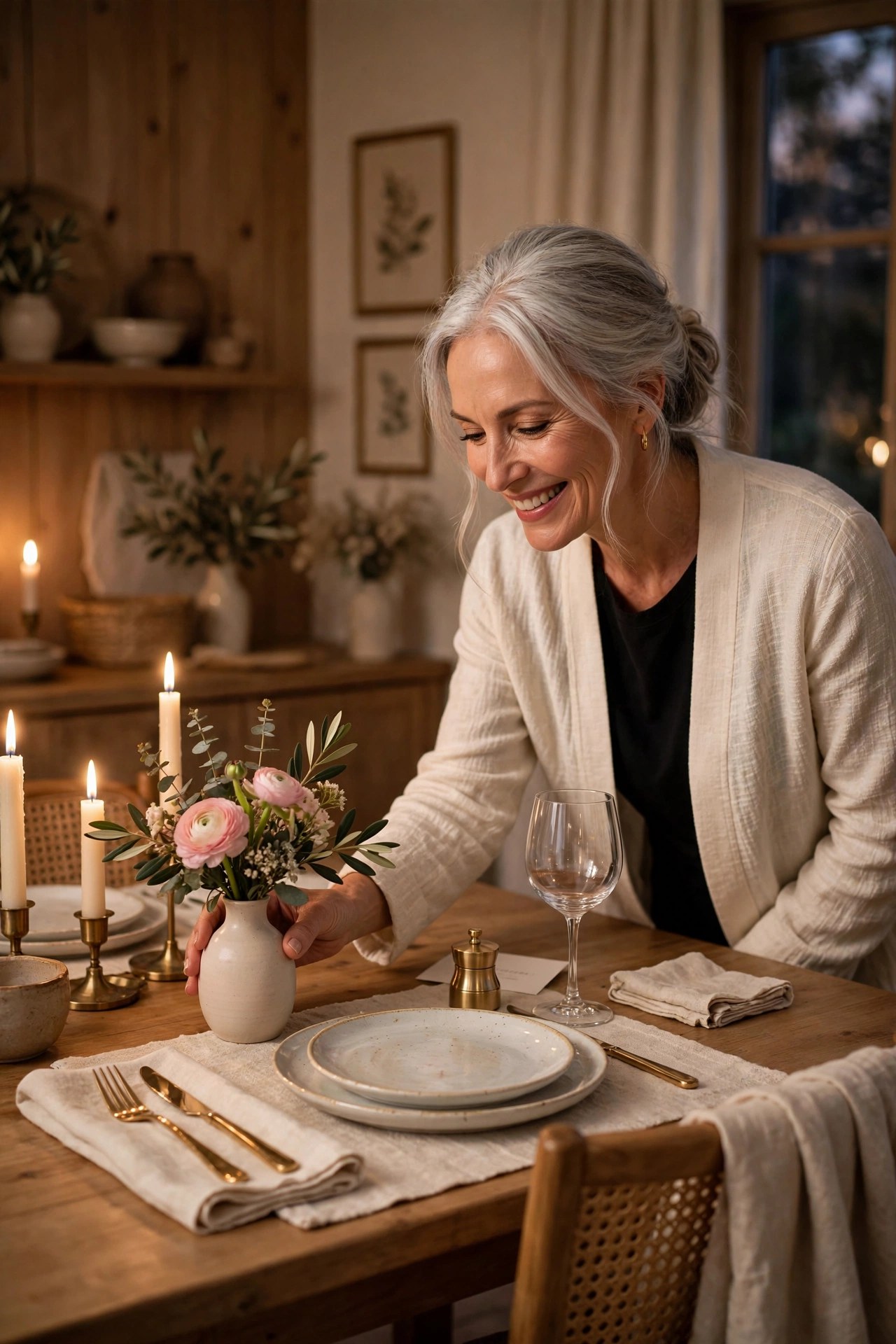
How it shows up: The cloth napkins come out on a Tuesday — for her. She cooks the good recipe, lights the candle, arranges the flowers, and sits down to a beautiful table set for one. She has stopped treating her own company as the waiting room for company that matters more.
How to grow it: This week, do one “guest-level” thing for yourself alone: the nice plate, the fresh flowers, the dessert you usually save. Watch how quickly self-respect stops feeling like a special occasion.
🕯️ Solitude signal: She’d rather dine beautifully alone than eat sadly in bad company.
10. 🌅 Ease With the Unfinished

How it shows up: The unanswered question, the unplanned weekend, the life that’s still beautifully unresolved — none of it panics her anymore. She has made peace with not knowing how everything turns out. That ease is the rarest trait of all, and it only arrives after years of practicing trust in the quiet.
How to grow it: Leave one small thing deliciously unplanned this week. A free afternoon with no agenda. A question you sit with instead of solving. Uncertainty stops feeling like an emergency when you stop treating every silence as one.
🌊 Myth-buster: Peace isn’t the absence of questions — it’s the presence of trust.
🔍 Solitude vs. Loneliness: The Myth Decoder
Before you go further, let’s clear up the confusion that keeps so many women from enjoying their own company — a distinction our piece on handling loneliness well in later life explores in depth.
Myth: Enjoying time alone means you’re lonely or depressed.
Truth: Chosen solitude restores; loneliness depletes. One feels like a deep breath, the other like holding it.
Myth: Solitude lovers have no friends.
Truth: They tend to have fewer, deeper friendships — because they choose connection instead of clinging to it.
Myth: If you need alone time, something is wrong with your marriage or family.
Truth: Needing solitude is about your nervous system, not your relationships. Time apart often makes the together time warmer.
Myth: It’s too late to learn to enjoy your own company.
Truth: Every trait above is a practice, not a personality type. You can start at 52, 65, or 78.
✅ The Solitude-Lover Self-Check
How many of these feel like you already?
- ☐ A quiet morning genuinely delights you — no scrolling required.
- ☐ You can dine or travel solo without a flicker of embarrassment.
- ☐ You leave draining gatherings early, without guilt or drama.
- ☐ You feel proud of things nobody else saw.
- ☐ Silence feels like company, not punishment.
- ☐ You have at least one ritual that’s sacred and non-negotiable.
- ☐ You trust your own judgment on the small things.
- ☐ You’ve used the good china on a Tuesday.
6–8 checks? You’re already fluent in the language of solitude. 3–5? You’re in the beautiful middle — growing. 0–2? Welcome: the quiet life is a skill, and you’ve just found the syllabus.
📋 A Gentle Alone-Day Plan
Want to taste the whole thing at once? Try this one-day template, no experience required:
- 7:00 — The sacred hour. Coffee, window, journal. Phone stays in another room.
- 9:00 — The deep dive. Two unhurried hours with your fascination — garden, paint, pages.
- 12:30 — The solo table. Lunch out, alone, book in hand. Sit by the window.
- 3:00 — The quiet exit. A slow walk with no destination and no podcast.
- 6:00 — The good china. Cook something lovely, light a candle, set one beautiful place.
- 8:30 — The soft landing. One chapter, one cup of tea, lights low. Let the day close gently.
No performance, no audience, no apology. Just you, well kept.
🌙 The Quiet Life Is a Skill, Not an Accident
Here’s the secret the happiest solitude lovers all share: none of them were born this way. They practiced — one protected morning, one graceful exit, one beautiful table for one at a time — until the quiet stopped feeling empty and started feeling like home.
So the next time someone raises an eyebrow at your quiet weekend, smile. You’re not missing out. You’re exactly where you chose to be — and that, after 50, is one of the rarest luxuries there is.