
Everything Every Woman Over 50 Should Have in Her Closet: The No-Nonsense List
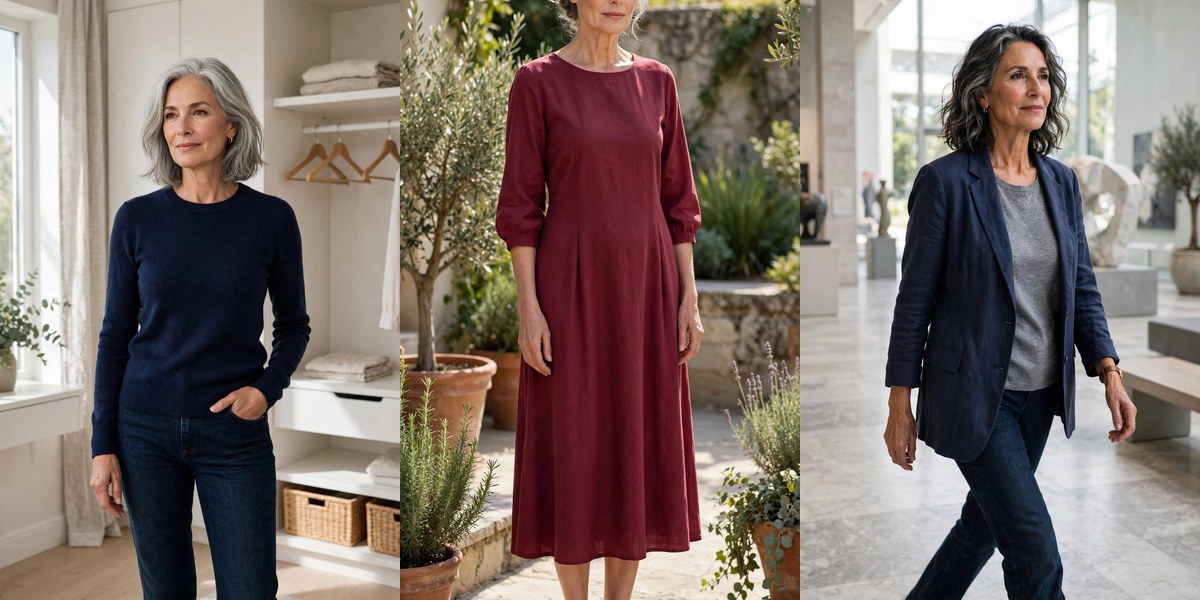
Your closet can be full and still give you nothing to wear. If getting dressed feels harder than it used to, the problem is rarely your taste — it is the missing backbone underneath it.
This list is for women over 50 who want a closet that works all year, in real life, not just on paper. No beige uniform, no rigid rules, no closet overhaul required.
Below are 11 core pieces organized as a simple blueprint: the foundation, the finishers, and the touchstones. Each one comes with its outfit math — the reason it earns its hanger. If your style has been shifting lately, our guide on finding your personal style over 50 pairs well with this list.
The Blueprint: How These 11 Pieces Work Together
Think of your closet in three tiers. The foundation is what you actually wear day to day. The finishers are the third pieces that turn a base into an outfit. The touchstones are the shoes and finishing pieces that carry everything else.
Every piece below passes the same test: it works with several other pieces on this list, it fits your real weekly life, and it is comfortable enough to reach for without thinking.
Tier One: The Foundation
These are the pieces you wear, not admire. They should be the most comfortable, most repeatable things you own.
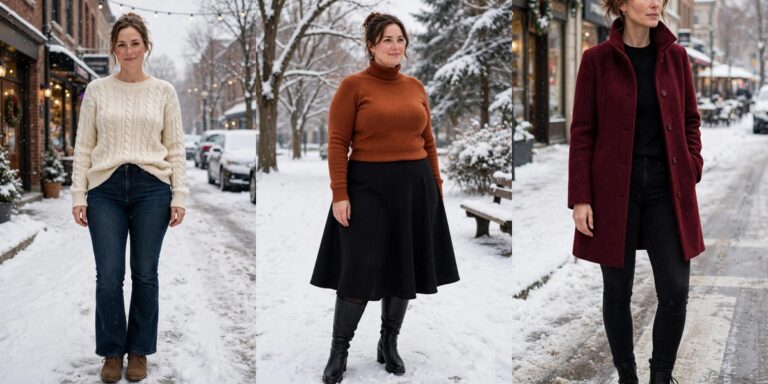
1. The Everyday Knit That Frames Your Face

The hardest-working item in any closet is a top you can throw on without adjusting it all day. Look for a neckline that opens your face — a crew, soft V, boat neck or open collar — and a shoulder seam that actually sits on your shoulder.
Fabric matters more than style here. A cotton-modal or fine merino blend that holds its shape will look polished far longer than a thin, clingy jersey. Buy this in two colors: one dark neutral, one light neutral.
Outfit math: 1 knit × 6 bases in this list = 6 ready outfits, before layers.
2. Straight-Leg Jeans in a Workhorse Wash

A dark or medium wash with no heavy fading is the most versatile jean you can own. Straight legs sit in the sweet spot: neat enough for dinner, relaxed enough for the weekend, and easy to pair with every shoe in your rotation.
Try them sitting down, not just standing. A waistband that stays comfortable through lunch and a leg with a little recovery will get worn weekly; one that fights you will not. Hem them so they just kiss your most-worn shoe.
Outfit math: 1 great jean × every top and jacket on this list = your default uniform, upgraded.
3. Fluid Polished Trousers

Every closet needs one trouser that reads “put together” without trying. Fluid fabrics — crepe, soft twill, a quality ponte — skim instead of cling, and a clean waistband keeps the whole silhouette intentional.
Keep the leg simple: a gentle wide leg or a straight cut in a year-round neutral like navy, chocolate or camel. These dress up a knit for evening and calm down a blazer for work.
Outfit math: 1 trouser × 3 toppers × 2 shoes = a week’s worth of smart-casual, no repeats.
4. The Soft Button-Front Shirt

A button-front shirt is a shape-shifter: tucked for polish, open over a tee as a light jacket, sleeves rolled for weekends. It does not have to be white — soft blue, ivory, pale pink or a fine stripe often blend better with what you already own.
Choose fabrics with a little ease — washed poplin, linen blends, soft chambray. The shirt should close over your bust without pulling and sit comfortably at the shoulder, which is the real fit test.
Outfit math: 1 shirt worn 3 ways (tucked, open, knotted) = 3 different outfits from one piece.
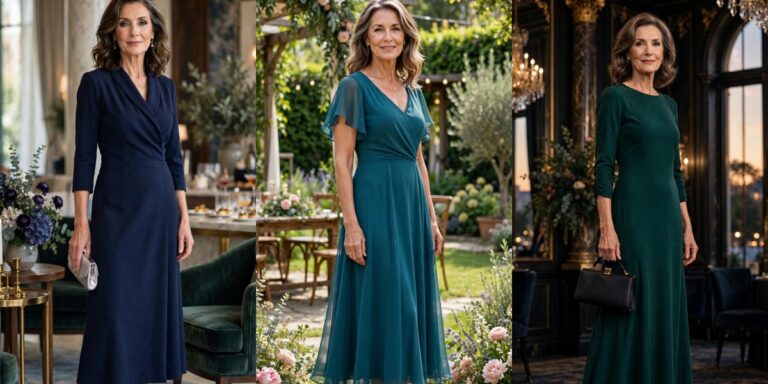
5. The One-and-Done Midi Dress
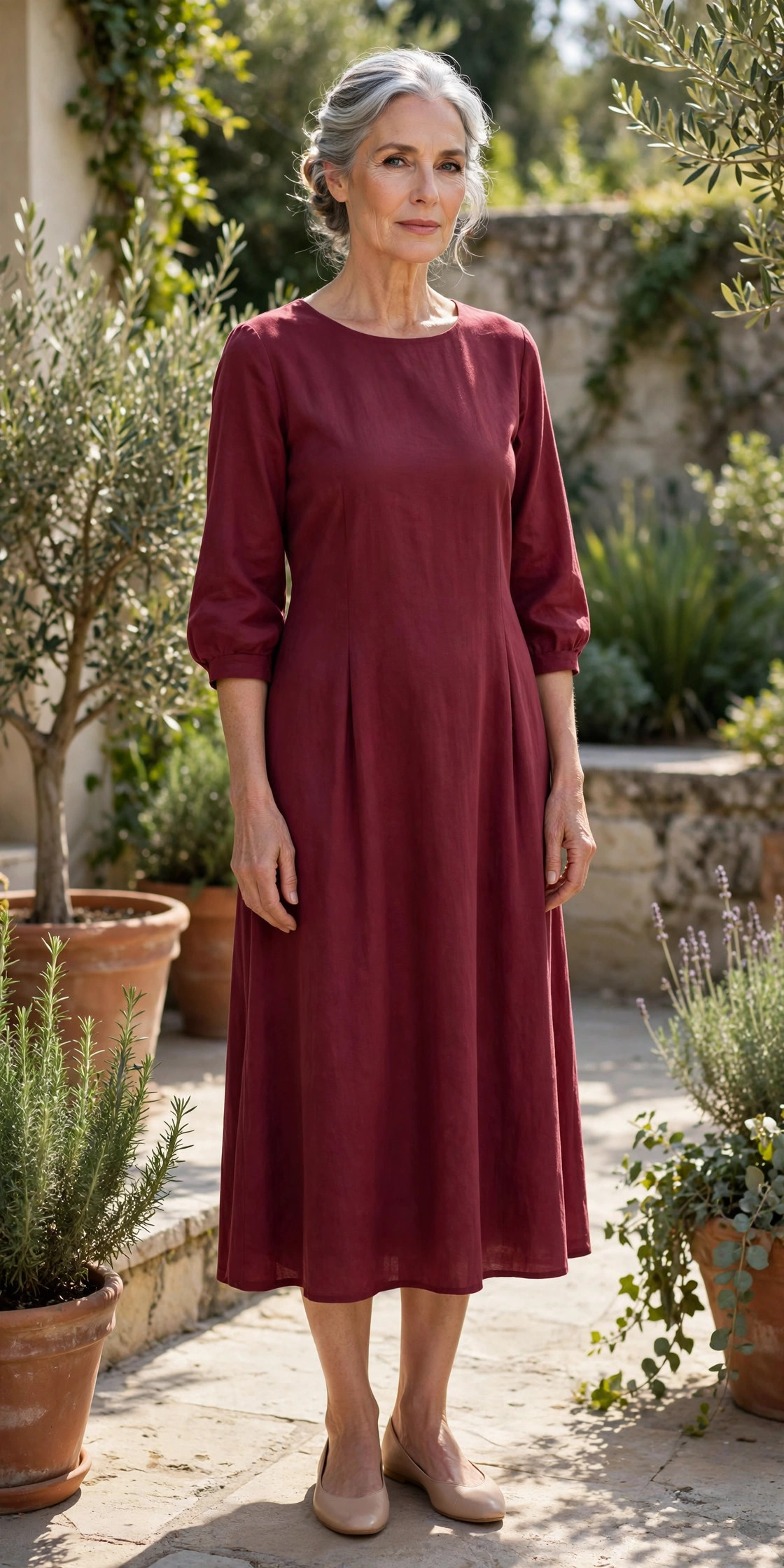
A useful dress solves the top-and-bottom question in one step. Shirt dresses, softly shaped midis and knit dresses in fabric that moves — not clings — can go from lunch to dinner just by changing shoes and a layer.
Check two things before it earns its hanger: a neckline that works with your everyday bra, and a hem that pairs with both your flats and your boots. If a dress needs special undergarments or one specific shoe, it is not a foundation piece.
Outfit math: 1 dress × 3 shoe swaps × 2 jackets = 6 occasions covered by a single garment.
Tier Two: The Finishers
This is where a practical closet starts looking stylish. A third piece — blazer, cardigan, trench — gives a simple top and bottom shape, structure and intention.
6. The Softly Structured Blazer

A blazer is the fastest route from “basic” to “finished.” The trick is soft tailoring: unlined or half-lined, a fabric with a little stretch, enough room to layer a knit underneath without pulling.
Navy, black or a warm neutral will work over everything in Tier One. Wear it with jeans and sneakers for day, with trousers and loafers for anything smarter. Notice where it ends — a slightly longer cut creates a clean vertical line over straight pieces.
Outfit math: 1 blazer × 5 foundation bases = 5 instant upgrades, zero extra thought.
7. The Neat Cardigan
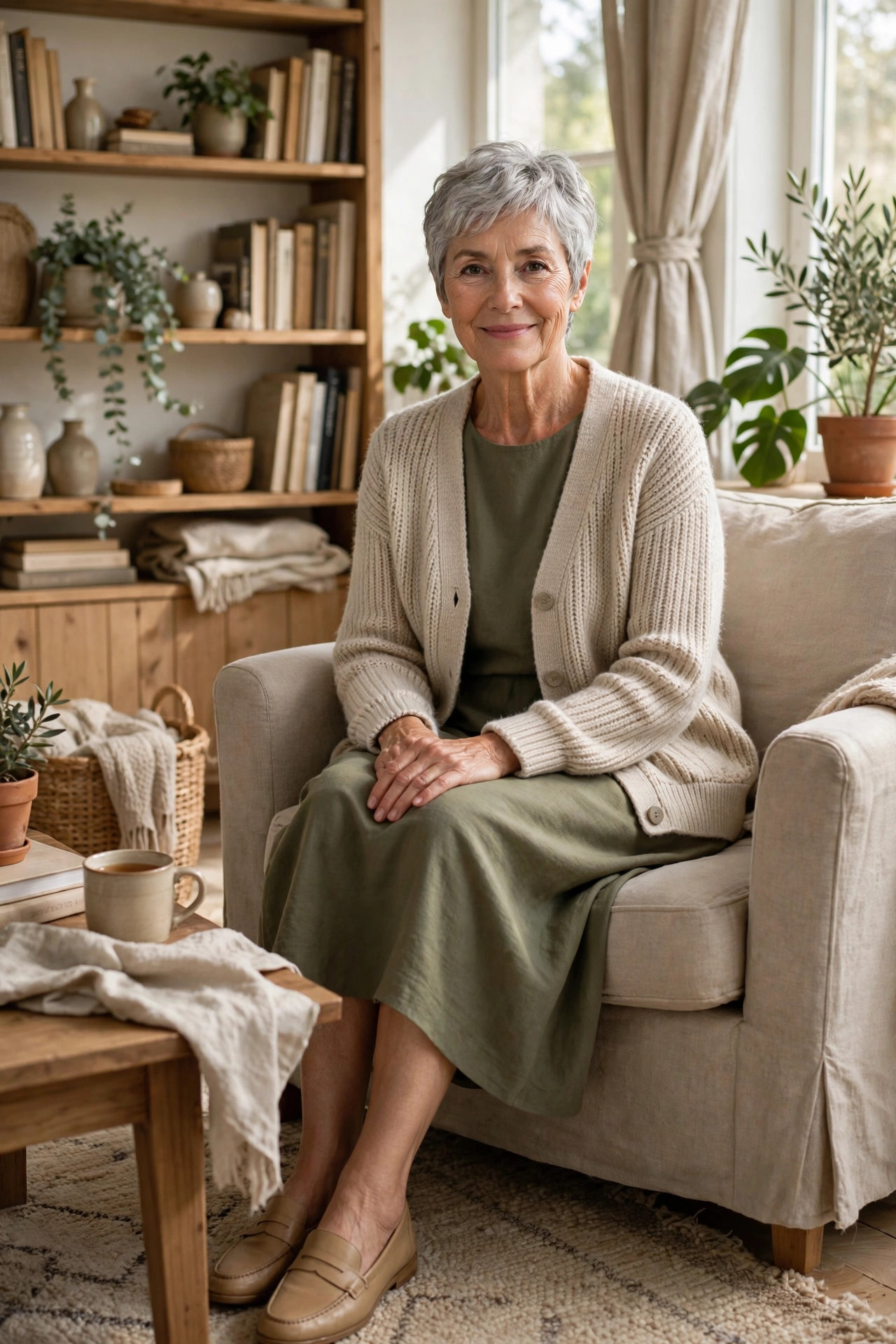
Not every day wants tailoring. A neat, well-knit cardigan gives you warmth and layering without formality — over dresses, under coats, belted or open depending on the day.
Skip the shapeless and the fussy. Look for a clean V or crew, ribbed cuffs that hold their shape, and a length that covers your waistband. Oatmeal, grey or camel will live next to everything you own.
Outfit math: 1 cardigan × every dress and top you own = a second season of wear for warm-weather pieces.
8. The Year-Round Trench
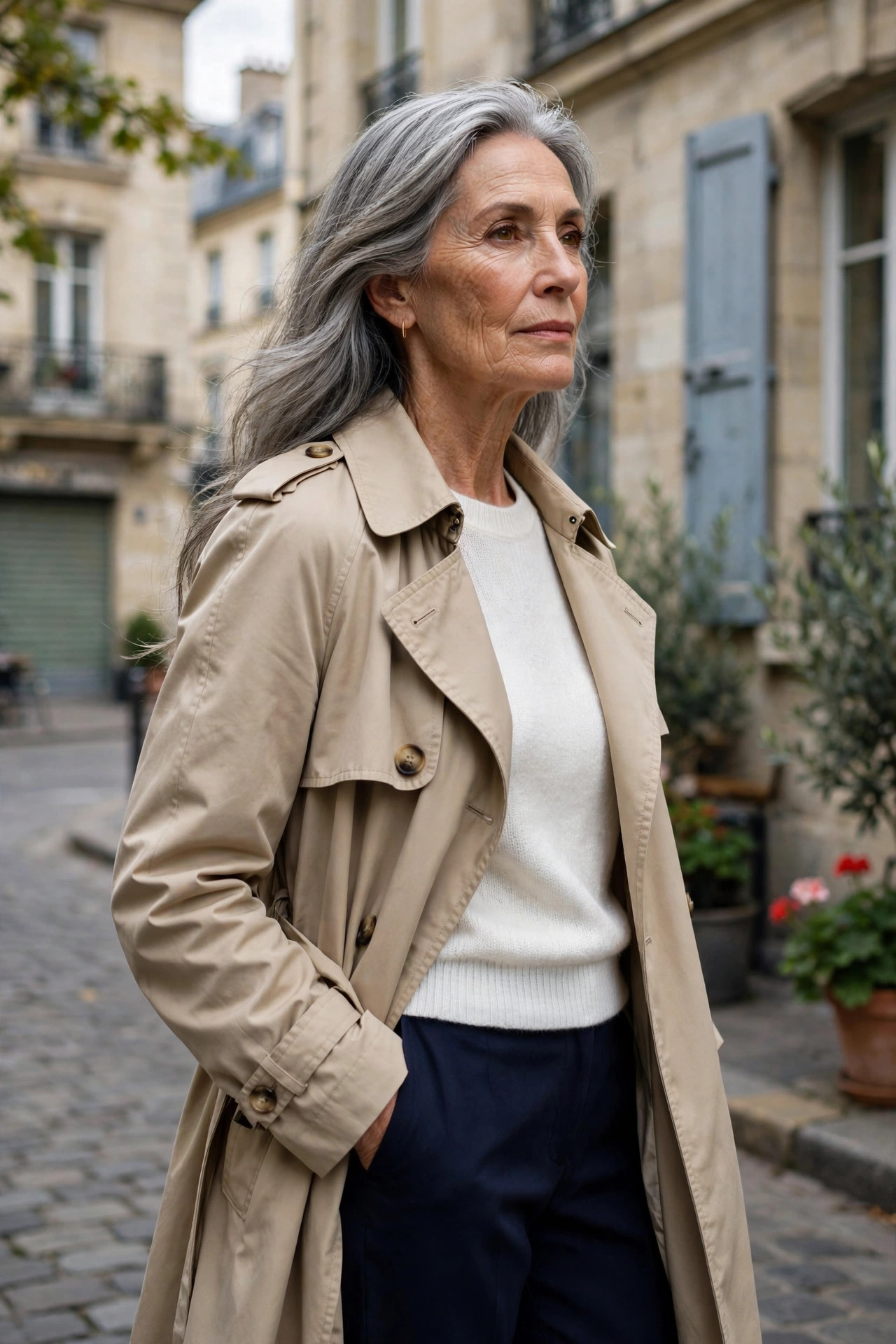
A lightweight trench is the most forgiving outer layer ever designed: it works over dresses and denim, it handles rain and cool evenings, and it makes the simplest outfit underneath look deliberate.
Fit the shoulders and the sleeve length; the belt does the rest of the tailoring for you. A classic beige or stone color reads timeless, and a water-resistant cotton gabardine earns its keep in every season except deep winter.
Outfit math: 1 trench × every outfit in Tiers One and Two = polish on demand, all year.
Tier Three: The Touchstones
These are the few pieces that touch nearly every outfit. Get them right and the whole closet gets easier; get them wrong and favorite clothes sit unworn.
9. The Three-Shoe Rotation

You do not need a shoe for every outfit — you need three shapes that cover real life. A clean leather sneaker handles errands, travel and casual days. A loafer or polished flat gives simple clothes a smarter finish without a heel. An ankle boot bridges jeans, trousers, dresses and skirts in cooler months.
Color is worth a rethink. Black is useful, but tan, taupe, cream, chocolate or navy often blend more naturally with the clothes you actually wear. Keep all three in good condition — worn-out shoes age an outfit faster than anything else in the closet.
Outfit math: 3 shoes × every outfit in this blueprint = nothing in your closet goes unworn for lack of the right shoe.
10. The Structured Everyday Bag

A bag that holds its shape does quiet, constant work: it makes a knit-and-jeans day look intentional and keeps a polished outfit from sliding casual. Choose a size that fits your real daily carry — not your aspirational one.
Medium structure, a quality-feeling material, and a color that sits between your neutrals (cognac, taupe, chocolate, navy) will carry through every season. One excellent everyday bag beats three almost-right ones.
Outfit math: 1 structured bag × every look on this list = an instant polish layer you never have to think about.
11. The Signature Finishing Piece

Simple clothes need one thing that is unmistakably you. A printed silk scarf, sculptural earrings, a beautiful watch or a great belt can change the entire mood of a basic outfit without adding a single garment to your closet.
The rule is repetition, not variety: pick one or two accent colors and echo them across your scarf, bag, shoes or jewelry. That small repeat is what makes separate purchases look like they belong together — and makes basics feel like a signature.
Outfit math: 1 signature piece × 11 basics = 11 outfits that all read as unmistakably yours.
The 10-Minute Closet Audit
Before you buy a single thing, run this check on what you already own. Pull out the pieces that map to this blueprint and ask:
- Does each foundation piece fit comfortably today — sitting, walking, after lunch?
- Can every piece pair with at least three others on this list? If not, it is decoration, not a staple.
- Which tier is thinnest? Most closets are heavy on tops and missing the finisher that would make them wearable.
- Are your shoes in good enough shape to carry the outfits you want to wear?
- Is there one repeatable accent color tying your accessories together?
Shop only the gaps the audit finds. If you want a smarter way to buy, our guide on how to shop for clothes over 50 walks through the fitting-room tests that separate keepers from mistakes. And when the coldest months arrive, this same foundation stretches into a full winter capsule wardrobe without starting over.
Frequently Asked Questions
How many core pieces does a woman over 50 really need?
There is no magic number, but the 11 pieces in this blueprint cover a full year of real life for most women. The goal is a closet small enough that you can see and combine everything, but complete enough that no outfit is missing its key player.
What colors should a year-round closet stick to?
Build on neutrals that work with your coloring: navy, cream, camel, chocolate, olive, grey, denim blue and soft white are all strong foundations. Then add the colors you love near your face — the ones that make you look rested and feel like yourself.
Should I keep clothes that don’t fit right now?
Keep only what fits today. Clothes kept for a future size create daily friction and guilt every time you open the closet. Store true keepers out of sight; let the everyday space hold only what serves your life now.
What is worth spending more money on?
Spend where fit and material make the biggest difference and wear is heaviest: jackets, shoes, trousers and your everyday bag. Save on trend-driven tops and accessories, where a good-enough version performs just as well.
How often should I audit my closet?
Twice a year is plenty — once when warm weather settles in, once when it cools. A ten-minute audit each time keeps the foundation current and stops duplicate or gap purchases before they happen.
The Bottom Line
You do not need more clothes. You need the right eleven, in three tiers, doing simple math together. Build the foundation first, add the finishers, then let your touchstones do the quiet work — and getting dressed becomes the easiest part of your day.





2 Comments
Comments are closed.